How to Build a Contractor Website That Earns Trust Fast
A contractor's website often serves as the first impression for potential clients. People searching for a reliable roofer, electrician, or general contractor want to know they can trust you before they pick up the phone. A site that looks outdated or feels vague can make them click away in seconds. Building trust quickly online is not about flashy design alone. It requires a deliberate approach to content, structure, and transparency.
Step 1: Lead with a Clear Value Proposition Above the Fold
The top of your homepage has only a few seconds to answer the visitor's main question: "Can this contractor handle my job?" State exactly what you do and where you serve. Use a headline that names your trade and your service area. Follow it with a short sentence that explains what sets you apart. Avoid generic phrases like "quality work" or "customer satisfaction." Instead, say something specific, such as "Kitchen and bathroom remodeling in Des Plaines with free project estimates."
Below that headline, include a clear call to action. "Get a Free Quote" or "Book a Consultation" works well. Make the button stand out visually. Keep the form short: name, phone, email, and a brief description of the project. Long forms discourage leads.
Step 2: Showcase Completed Projects with a Project Gallery
Nothing builds confidence like seeing finished work. A project gallery shows potential clients that you have done similar jobs before and that the results look good. Include high-quality photos of recent projects. Label each image with a short description: the type of job, the materials used, and the approximate timeline.
Organize the gallery by trade or project type. If you do both roofing and siding, keep those categories separate. This helps visitors find relevant examples quickly. Add a few before-and-after shots to highlight the transformation. Avoid cluttering the page with too many images; pick your best 10 to 15 examples.
Step 3: Build Credibility with Testimonials and Case Studies
A testimonial from a real client carries more weight than any claim you make. Place a few short quotes on the homepage, and create a dedicated page for longer reviews. Each testimonial should include the client's first name, location, and the type of work done. A photo of the finished project alongside the quote makes it more believable.
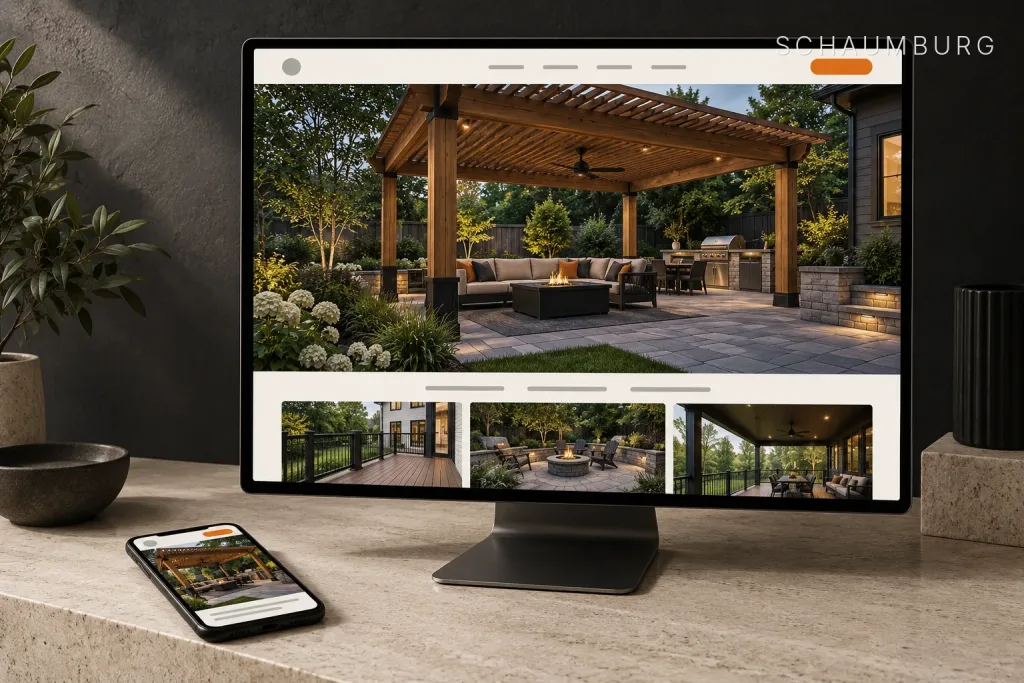
For larger projects, consider writing a case study. Describe the challenge, your approach, and the outcome. Include specific details like the square footage, materials used, and how you solved an unexpected problem. A case study proves you can handle complex work and that you communicate well throughout the process.
One key element that many contractor sites overlook is website content that builds customer confidence. This means writing about your process, your materials, and your guarantees in a way that reassures visitors. Do not just list services; explain how you deliver quality and what clients can expect from start to finish.
Step 4: Display Licence Information and Service Guarantees
Trust requires proof that you are a legitimate business. Display your contractor licence number, insurance details, and any relevant certifications prominently. A footer or a dedicated "About" page works well. If your state or city requires specific licences for your trade, list them clearly.
Service guarantees also reduce hesitation. If you offer a warranty on workmanship or materials, say so. If you stand behind your work with a satisfaction promise, state that plainly. Avoid vague language like "we stand behind our work." Be specific: "We provide a one-year warranty on all plumbing installations."
Step 5: Ensure Brand Consistency Across Every Page
A contractor's website often grows piece by piece. Over time, the colors, fonts, and tone of voice can drift. Inconsistent branding makes a site feel unprofessional. Choose a color palette that matches your logo and use it consistently for headings, buttons, and backgrounds. Use the same font family throughout. Keep your tone of voice professional but approachable.
Brand consistency also extends to your business name and contact information. Use the exact same format for your phone number and address on every page. This not only looks professional but also helps with local search rankings.

Step 6: Prioritize Website Usability for Mobile Users
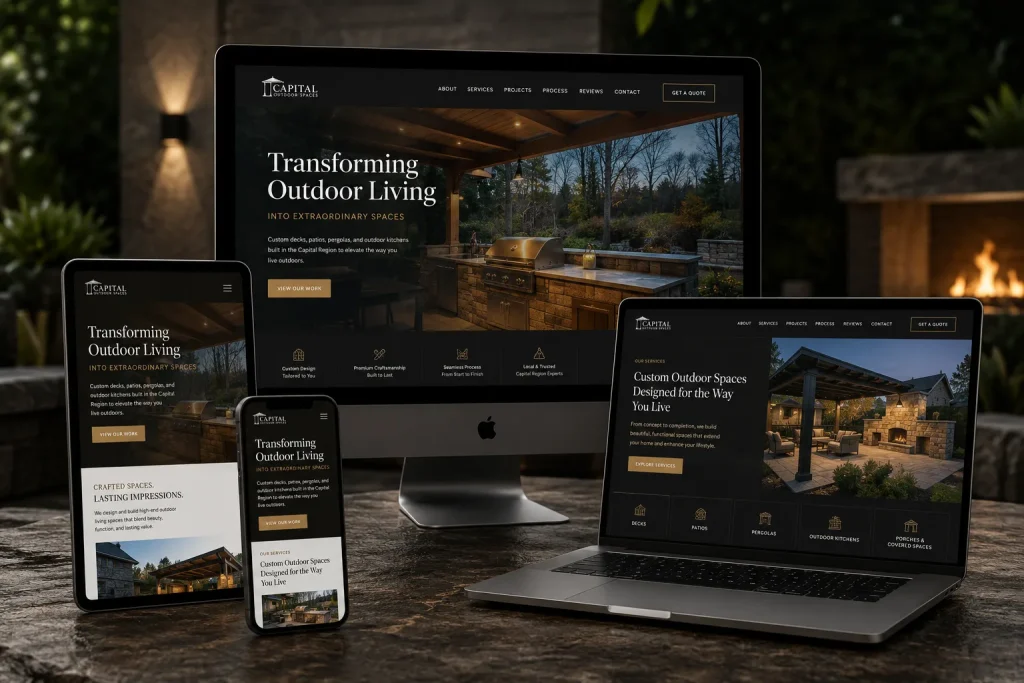
Most homeowners search for contractors on their phones. If your site loads slowly or requires pinching and zooming, they will leave. Use a responsive design that adapts to any screen size. Keep buttons large enough to tap easily. Avoid long paragraphs that require scrolling. Break content into short sections with clear headings.
Test the site on a phone yourself. Try to find your contact information and schedule a call. If anything feels awkward, fix it. Simple navigation and fast load times are trust signals. They tell the visitor that you care about their experience.
Another layer of trust comes from website content that builds customer confidence. When each page answers a visitor's next question, they feel informed rather than confused. This applies especially to your service pages: describe what each service involves, how long it typically takes, and what preparation the homeowner needs to do.
Step 7: Add Trust Signals Without Overloading the Page
Trust signals are small elements that reassure visitors. Examples include a Better Business Bureau logo, an Angi or HomeAdvisor badge, or a Google Guarantee badge. Place one or two of these near your call-to-action buttons. Too many badges look cluttered and can actually reduce trust.
Other trust signals include your physical address, a local phone number, and a clear privacy policy. If you collect email addresses for newsletters, state that you will not share them. A brief note about how you handle data shows professionalism.
Step 8: Keep Content Fresh and Accurate
A website that still shows a project from three years ago feels abandoned. Update your project gallery every few months. Add new testimonials as you complete jobs. Review your service pages to ensure prices, service areas, and contact details are correct. If you run seasonal promotions, feature them on the homepage.
Lemur Marketing is also on YouTube.
Fresh content also helps your site rank higher in local search results. Write a short blog post about a recent project or a seasonal maintenance tip. This shows that your business is active and engaged with the community.
Bringing It All Together
Building a contractor website that earns trust quickly is not about one big feature. It is about a series of small, deliberate choices: a clear headline, real project photos, honest testimonials, visible licence information, consistent branding, and a fast, mobile-friendly design. Every element should answer a potential client's unspoken question: "Can I trust this contractor with my home?"
For contractors serving the Des Plaines area, Lemur Marketing offers website design, local SEO, and digital marketing services tailored to building that trust. You can reach them at 1574 Henry Ave, Des Plaines, IL 60016, USA, or call +1 630-551-8493 to discuss your project.
Ends · TRADELEADSWEEKLY